All About: Day vs. Night

IMG_8764

Practicing an extensive skincare routine is tough enough to follow, so when you see products with specific timed usage instructions, you might have the same reaction as I did: “huh? more?!”

Fret not, here’s a breakdown of what they mean and if you actually need it. First off, yes! There is a difference between a daytime routine and a nighttime routine. Why, you ask? Your skin is exposed to completely different things during the two parts of the day, thus you need (though not completely) different products to target different concerns.

Daytime

When you wake up, you may not feel the need to wash your face thoroughly because all you did the whole night was sleep. Fair enough, but instead of cutting this step completely, try opting for a fuss-free, mild cleanser to rinse off all the sebum build up that was accumulated overnight. Or else, it’s gonna be tough for all the other products to seep into your skin properly.

During the day, your skin is extremely stressed due to the dust and UV rays it is exposed to. Environmental pollutants can take a major toll on your skin, so you have to make sure you cater this part of your routine to properly prepping it for the day. This involves a lightweight moisturiser to ensure comfort throughout your day, as well as a sunscreen of at least SPF25 ++ (or if you’re planning to stay out in the sun, SPF50 ++ is the way to go!).

If you plan to use acid treatments like Salicylic Acids for troubled skin, please be aware that SA is a beta hydroxyl acid (BHA), so it may increase the skin’s sensitivity and the possibility of a sunburn. I’d say to save this for the nighttime, or if you insist on wearing it, make sure to layer sunscreen every 4 hours.

Nighttime 

At night, the focus shifts from protecting the skin to replenishing the skin. This is very important, so you must never skip your skincare before you sleep. My trick is to just do my nighttime routine after my last daily prayer of the day, which ends around 8.45pm. That way I won’t forget to do it, or eventually become too lazy to start.

If you’re a makeup wearer, making sure you have zero trace of makeup left on your skin before you call it a night is crucial. When you sleep is when your skin’s factory starts to open its door for business. Personally, even on days where I don’t wear makeup, I would still double cleanse with an oil cleanser to get rid of all the excess sebum. This is a step you don’t need during your daytime routine. In the evenings are also when I apply my astringent-based toner to dissolve dead skin cells, whereas I’d opt for a “skin/lotion” (see previous post to learn more about it) in the mornings.

To moisturise, this is the time to bring out all the big guns. A lot of nighttime products are specifically told to be applied during the evenings because they usually contain ingredients that make the skin sun sensitive, such as Retinol, AHAs and BHAs. More potent serums and anti-aging products can be used in this routine because it has less disturbance compared to the daytime, like makeup & sun exposure. Even if you have oily skin like I do, during the night is when its best to apply heavier creams or even a facial oil because of how drying the air conditioner can be on your skin throughout your sleep. Also, due to minimal or absolute absence of sun exposure during this second half of the day, you can skip on sun protection!

So although there might not be too much of a difference, and you can pretty much use a majority of your skincare collection the whole day, there are some things you’d need to take note on for better absorption, better effectiveness and to avoid any bad reactions (like Retinol without sunscreen..).

Here’s a short video of my personal nighttime routine!

Step 3: Treatments

hi-tt

I’ve decided to name this step ‘treatments‘ because I know many are confused about the difference between serums, ampoules and essences. They’ve got different names, different textures, but they essentially do the same thing — they treat! Remember how I said that your skincare regime has to be exclusively personal to your own needs? This treatment step is where it gets really personal.

These three products function to target very specific skin concerns you’d like to fix. Some popular examples are for acne/blemish-prone skin, wrinkles and dark spots. While your other skincare can be as general as a “For All Skin Types” category, you’d want to find a treatment that your skin really needs.

Essence 

Essences were made popular when the East Asians introduced it in their market. Ask any Koreans, and they’ll tell you that an essence is arguably the most important step in any skincare routine. Essences treat your skin at cellular level due to its water-like consistency that allows it to be absorbed easier and faster. Most essences have an active ingredient in them that aids in optimising skin cell turnover. Maybe you’ve heard of the SK-II Essence that has Pitera in them? Pitera’s an active ingredient that was discovered in a sake (yes, the Japanese rice wine) production centre – which found that yeast holds so much beneficial traits for the skin. A cheaper alternative like Missha’s Time Revolution Essence also includes fermented yeast as its prime ingredient.

Essences are to be applied right after your toner. The rule of thumb here is to apply products based on its texture; the more watery it is, the earlier in your routine it should be. Since an essence has water-like texture, it goes first! Pat it in with your hands gently for optimal results, otherwise you can also use a cotton square for it – this is more hygienic but has the tendency to waste product.

Serum

They basically serve the same purpose, but have different consistencies. While the essence feel like water, serums tend to be slightly slimier and are often in dropper packaging so you get to control the amount (you don’t need much!). Also, essences tend to be targeted for those wanting to brighten their skin, and serums are often used to help with wrinkles, dark spots and acne. Their thick consistency indicates a larger party of nutrients that help tackle bigger problems, jam-packed with ingredients with higher concentration.

That being said, be extra cautious when picking out a serum. I’d suggest investing in this one, if you aren’t the type to invest much on skincare. Why? This product can do so much good, but it can also do so much wrong when used wrongly. Applying tea tree serum on dry skin can cause bigger problems than you started out with. Go to your nearest Kiehl’s, Clinique or Dr. Murad to be consulted on the right one for your skin.

If you have normal skin, then you can skip on a serum & just apply some light layers of the essence. If you have oilier skin, niacinamide or tea tree can help balance the oil production. For drier skins, a moisture booster like a Vitamin A & C serum can be just the right thing for you. Also, dry skin types have stronger tendencies to age prematurely, so a serum that targets anti-aging may help with prevention.

Ampoules

Ampoules are the strongest formula out of the three, a more potent version of serums. They’re so concentrated that it’s not uncommon to see its active ingredient fill up 50% of the products. Like serums, ampoules are also very specific to individual needs. I personally don’t think you need ampoules if you already have both products mentioned before this. Keeping your routine as simple as possible eliminates any risk of a potential reaction. If, and only if, your serum of choice does nothing to your skin after using it for at least a month, you might want to amp up your treatment to an ampoule. Otherwise, don’t even worry about it.

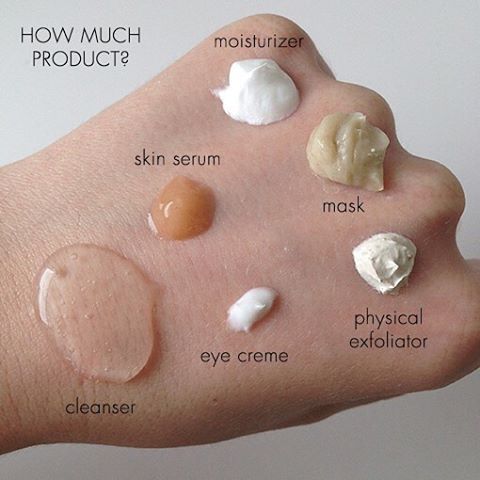
Here’s a guide of how much product you’re meant to use:

1fa25a5986e858ef1ef6ba9bcbb104d2


All About: Superfood

I get it, students and young adults work with a tight budget, so maybe that RM300 serum isn’t a big priority compared to a week’s worth of lunch. But then you look in the mirror and spot a large pimple, and you wish you had the extra cash to get yourself some salicylic acid to eliminate just one problem in your life. Fret not! Here’s how you can eat your way to flawless skin. Guys, let me introduce you to.. the superfoods.

Chia Seeds

Chia-Seeds-Background

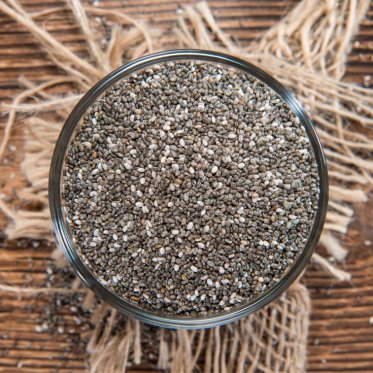
These babies are the perfect kind of food for those who are slightly daunted by healthy food (me). I’ve always been the “er..no veggie please!” person at restaurants, so shifting my diet completely will be a slightly impossible task. But chia seeds are practically tasteless, you barely feel it’s even there — but it does so much good to you and your system. High in omega-3 fatty acids, that greatly aid in collagen production to keep your skin as youthful and wrinkle-free as possible. Often sprinkled in your smoothies or dashed into your morning breakfast, this is the go-to superfood for anyone on-the-go.

Salmon

the-health-benefits-of-salmon-700-350.jpg

Another one with a very high level of omega-3’s, salmon is a great dish for your overall health, lowering your chance at heart-related diseases and high blood pressure. It’s good if you’re planning on cutting some pounds, too! But salmon does wonders to your skin, containing fatty acids (fat that you need, don’t worry) & omega-3 in them. Plus, they taste amazing, so what’s there to lose!

Berries

Berries-Antioxidants.jpg

Packed with antioxidants, berries are the warriors of your body. They help with free radicals (read about them here if you haven’t), & they’re filled with Vitamin A that aids in normalising oil production, thus helps with sebum accumulation (read: acne). Berries are also great with pushing back those years with its anti-aging features provided by the abundance of Vitamin C in it. So swap out your salty chips for some bags of blueberries, keep them in your bag when you’re out,put them in your smoothies, it’s such an easy ingredient and snack to incorporate in your diet to ensure that your skin is getting as much nutrient as it should.

Lemons

4cdba60782705FA.jpg

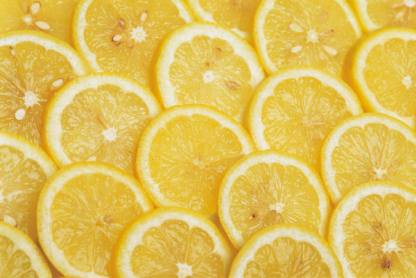
Although I can never go crazy enough to have a whole, I’ve slowly accustomed by body to accept lemon-infused water every morning. They’re great agents of detox, as it cleanses every part of your body from toxins. Similar to how it flushes out toxins from your system, it does the same with your skin. In addition to containing a lot of vitamin C in them, lemons are incredibly alkalising to your body. I know, right? Weird. They taste really acidic. But once lemons are metabolised through your body’s minerals, it turns into great alkalising agents. Our bodies are severely acidic due to over consumption of coffee, alcohol and even processed food (guilty), so balancing out the pH of your body is crucial because an unbalanced one will lead to unstable skin (sensitivity, acne-prone, etc).

Sweet Potatoes

sweet-potato.jpg

My oily, acne-prone family out there, here’s a good one for you. The incredibly huge amount of vitamin A in sweet potatoes are good for balancing out the oil production in your skin, allowing the acne production factories to slow down. Besides being great diet buddies (due to its high dietary fibre but low calorie count), the beta-carotene in them helps regenerate new skin cells, giving you a new & healthy canvas that have strong resistants towards skin damages.

Avocado

4572892.jpg

I’ve gotta admit, avocados took me a longer time than I expected to get used to. For my first time, it was like having veggie butter – which you should know by now, veggies are my biggest enemies. But have it on toast, sprinkle some chia seeds, add some smoked salmon and dash of lemon zest (that’s four superfoods in a meal) and you’ve now found yourself the best diet, skin-loving dish ever. Try it, it’ll change your life.

Of course, there’s a whole long list of more superfoods you can try to help transform your skin, but these are just some that have personally helped me with my journey towards better skin. I am a huge advocate for “You are what you eat“, so eat well.

For more information on these food or more ingredients & dishes that create wonders to your skin and body, here are some links to relevant articles:

Allure, Goop, Prevention, Health X-Change, Fitness Magazine, Self, Vogue.

Step 2: Tone

So you’ve cleansed your face and you feel clean as new. What’s next?

Toning should be a crucial step in everyone’s skincare routine because it smoothens the transaction between cleansing and moisturising. Cleansing is all about getting rid of the bad stuff, the second part of your routine should focus on replenishing your skin with all the good stuff.

If you’re only familiar with the western market, then you’re probably mistaking a toner with a chemical exfoliators. How do you differentiate them? If your “toner” is alcohol-based or has a pungent smell, it’s probably a chemical exfoliator. If it’s an odourless, slightly-watery consistency, that’s a toner (or what the Koreans call “skin”)!

How are the two different? You may already know that an exfoliator helps remove dead skin cells, right? So you often associate an exfoliator with a scrub. Now, that’s called a mechanical exfoliator — the ones that have micro-beads or organic beads (eg: St. Ives) in them. Chemical exfoliators share the same function as the latter, but uses acid and enzymes to dissolve the glue-like lipid that holds together dead skin cells. That is why, when you use chemical exfoliators, you often see dark, dirt-like residue on your cotton pads. Exfoliators are very important to make sure you get every last bit of gunk from your pores to prepare your skin for all the other skincare goodness to come.

However, as good as exfoliators are — you can imagine how badly effected your pH levels would become after so much acidity on your skin. A toner is just the right thing to fix that problem. I know this is all very new information for many of you reading, so I’ll make this simple for you. You’ve got two sponges, one’s dry and the other is moist. Try pouring serums, moisturisers and sunscreen on it – which sponge do you think will absorb the products better and faster? Mhm, the moist one. Similar to your skin, you have to prep it from within before piling up the heavier skincare.

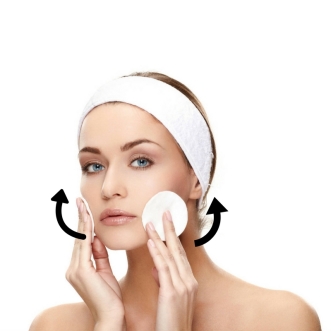
So how to use an exfoliator and a toner? You can use a cotton pads for both. Do take note that when using an exfoliator, you’d want to make swift strokes from the bottom of your face upwards (your tiny facial hair grows downwards, so you’d want to go the opposite direction of the growth to get every single pore).

Untitled design (2)

With a toner, you can either use a cotton pad and tap it into your skin. Alternatively, and this is the step I personally use, you can just use your fingers and tap the product into your skin gently. The key word here is: tap the product in. Do not scrub it into your face aggressively because that’s just going to make the product slip and slide.

The kings and queens of skincare, the Koreans, created this trend not too long ago called the The Seven Skin Step. What that is is applying layers of toner 7 times! Seems a bit much, right? But that’s what they apparently do to achieve their glowing, moisturised complexion.

Here are some of my recommendations based on experience, and some that best-sellers in the market right now:

Exfoliators

This slideshow requires JavaScript.

(The Ordinary Toning Solution – RM80, Thayers Witch Hazel – RM54, Clinique Daily Exfoliator – RM99, Mario Bodescu Glycolic Acid Toner – RM124)

Toners

This slideshow requires JavaScript.

(Pyunkang Yul – RM69, Klairs Supple Toner – RM63.50, Innisfree Green Tea – RM62, Son & Park Beauty Water – RM130.50)

All About: Acne

Everyone’s mutual enemy takes centre stage once in a while (if you’re lucky), or becomes your clingy soulmate for life. Either way, no one likes it around. So what do you do? Well, first, get to know what it is and what’s causing it, then identify proper ways to eliminate it without affecting future ones surfacing.

What is Acne?

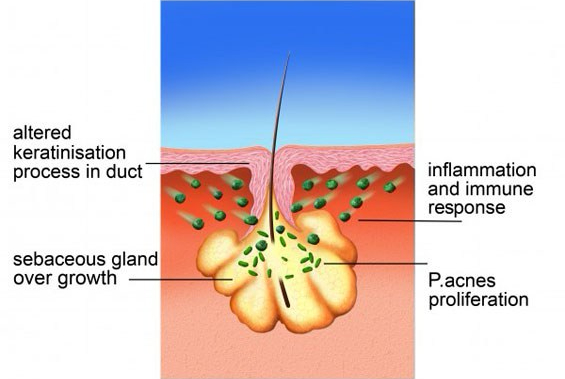
Remember about those sebaceous glands I mentioned here? No? Okay recap: these glands are in-charge of secreting an oily substance called sebum. Acne is basically when those glands become inflamed. How? People with acne are usually those with oilier skin types. So having oilier skin means you’d need a larger sebaceous gland, which helps with producing more sebum. When your sebaceous glands are over grown, this allows bacteria (known as Propionibacterium acnes, or just P. acnes) and skin cells to be trapped in there, which then would lead to an inflammation.

disease-overview_reference
Image from Galderma

Types of Acne

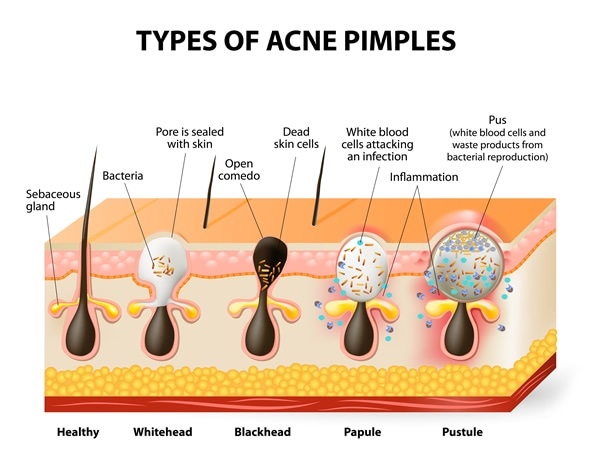
Pimples (pustules), papules, black/whiteheads and nodules are all types of acne. They are all bacterial attack on your skin, but they all look and are to be treated differently to one another. Let’s get to know them better, shall we?

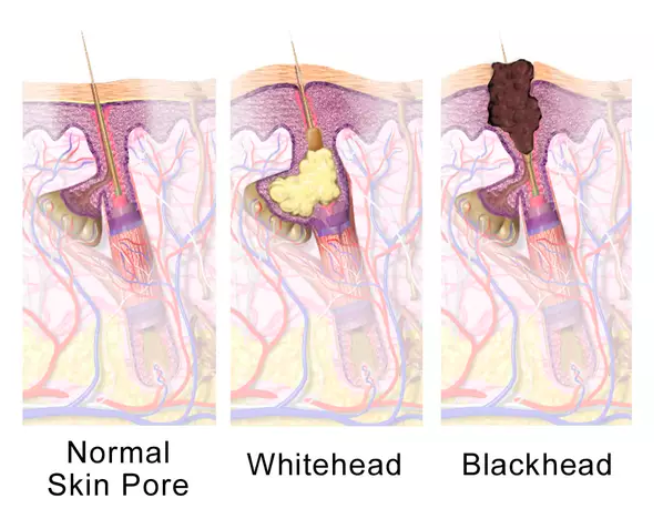
Blackheads and whiteheads are commonly around the facial area, though they can also be found around your body. They are considered to be a mild form of acne and barely cause any pain. When the p. acnes bacteria does not infect the sebaceous glands, all the dead skin cells + sebum surface to skin level. It then creates a bump called a comedo. If the bump remains closed and hidden, it creates a whitehead. If the bump is outwards and exposed, it oxidises and becomes darker, creating a blackhead.


Screen Shot 2018-03-06 at 3.14.50 PM

So how is the proper way of eliminating them? I know it’s tempting to just squeeze it out when you see a whole sea of them in the mirror, but wait! Extracting them without professional help can cause further damage. Removing them like this would, yes, remove the blackheads, but it would then leave your pores open and very inviting for dirt and bacteria to enter. Leaving on active ingredients like retinol or salicylic acid for a significant period of time will dissolve the dead skin cells without affecting the pores. This process will take much longer than just squeezing them out yourself but it will lead to a permanent elimination of blackheads & whiteheads. For more methods, read here.

image.jpgBut when one usually refers to an acne, they’re really talking about pustules. These are the ones most commonly known as “pimples”, which are the less painful but more visible cousin of papules. Pustules are acne that are medium in size and have a yellow-ish, pus-filled centre surrounded by red inflammation, and they’re the most tempting to pop out of all acnes. Before you do it, have a think if this temporary relief really worth the dark scarring and bacterial infection? Probably not. Instead, apply disinfectants like apple cider vinegar (which not only has antibacterial properties, but also anti-inflammatory properties to soothe the redness!) on it. Topical acne treatment like tea tree oil solution applied on affected areas and even mixing some tea tree oil in your daily moisturiser helps prevent future breakouts. Other active ingredients to look out for include salicylic acid and niacinamide, both of which aid in controlling the overproduction of sebum and have anti-inflammatory properties.

Read more about acne here: Exposed Skin Care, Vita Medica, Medical News Today

Pictured: The Ordinary Salicylic Acid 2% Solution (RM49), The Ordinary Niacinimide (RM60), The Body Shop Tea Tree Range (RM18-RM95), Origins Spot Remover with Salicylic Acid (RM80), Mario Badescu Drying Lotion (RM97)

Step 1: Cleanse

I’m going to go ahead and say that even those with the littlest knowledge of skincare would know what a cleanser is, even to the extent of what it does. Through this post, I want to introduce Double Cleansing, highlight the importance of cleansing & what cleansers are best for you. (By the way, boys, splashing your face with water is not cleansing).

What is Cleansing?

Cleansing is the first step to any skincare routine for good reason, you need a clean slate. Otherwise, it’s just piling on expensive liquids on your face for no reason. Cleansing your skin eliminates any dirt or excess sebum in your pores to allow a clear path for your skincare to seep into your skin better. Easy enough, right?

But what happens when you don’t cleanse twice a day (if I can’t persuade you, I might as well scare you into it, right?). I know what you’re thinking – I thoroughly cleansed the night before, why do I have to cleanse again in the morning? Well, first off, if you knew the amount of bacteria on your pillow, you’d freak out. Also, your skin recovers through the night, so that means your dead cells resurface to skin level. Applying anything from skincare to makeup on top of it will cause congestion in your pores, and eventually.. acne.

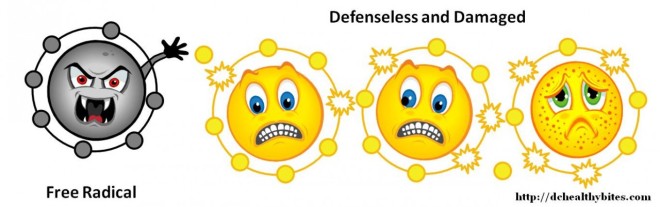
Why cleanse in the evenings? Dirt, excess sebum and free radicals built-up are still there even if you go bare faced. New term alert: Free radicals. What are they? Scientifically, they’re atoms or molecules that do not have an electron attached to them. Think of them as a toxic friend. So they’ve just lost a friend (let’s name her Electron), and what do they do? They attack every other healthy atoms in your system to get another Electron. They can even go to the extent of being the cause for skin cancer and premature ageing. Where do they come from? Everywhere, from cigarette smoke, air pollution, to even being out in the sun (UV rays).

free_radical-damage-1280x403.jpg

What is Double Cleansing?

Pretty self-explanatory; you cleanse twice, but with two separate products that have two separate functions. I know what you’re thinking, I’m even making cleansing complicated? Geez.

I’d like to think double cleansing as highly optional, but leaning towards necessary for those who wear make-up. Why? Your usual water-based cleansers can’t handle makeup. That’s why you’d want to use an oil-based cleanser first. As Dr. Whitney Bowe says it, like dissolves like. What this means is that cleansing oils grab onto other oils (like excess sebum and makeup) and sticks together when washed off. After applying them directly onto dry skin (with or without makeup), you’d want to give yourself a slight massage before emulsifying them with lukewarm water.

Which cleansers are best for you?

I want to bring you back to secondary school Science class. I want to talk about pH levels. With cleansers, you’d really want to take the pH levels very seriously. Why? It has everything to do with oil overproduction and can cause irritation.

So let’s recap. pH measures a substance’s ratio of acidity and alkalinity, 0 being the most acidic and 14 being the most alkalic. The skin’s in the best state at about 5.5, so that’s leaning towards slightly acidic. If skin is too acidic (0-5), it is prone to irritation and acne. If it’s too alkalic, it can be very tight, dry and dull. Find your balance.

Everyone has a skin protection barrier (made up of sebum and sweat) which prevents bacteria from easily seeping in through the pores. They’re called the acid mantle. They function best at a pH level of 4.5 – 5.5, whereas a broken or weakened acid mantle would leave your skin at a pH 6.5 or higher, allowing bacteria to penetrate easier. Read more about it here.

Acid mantles can be washed off or deteriorate when using cleansers that are high in the pH range (leaning towards alkalic), which is why you cannot use body wash on your face, because they usually contain a pH level of 8 or above.

This slideshow requires JavaScript.

Some recommendations for pH balancing cleansers:

  1. COSRX Low pH Good Morning Gel Cleanser, RM42
  2. SEBAMED Cleanser, RM38
  3. First Aid Beaty Cleanser, RM168
  4. HadaLabo AHA+BHA Acne Control Cleanser, RM30

Happy cleansing!

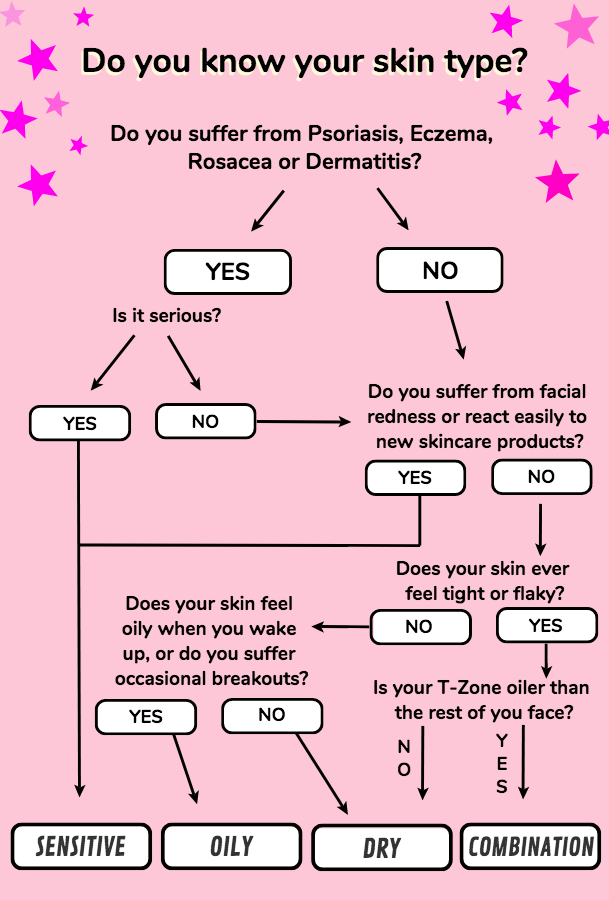
What Is Your Skin Type

Screen Shot 2018-05-03 at 3.07.00 PM

(Infograf by Tania)

Before getting into complex skincare methods, products or ingredients, it’s crucial to, first, identify what you’re working with. Getting to know your skin will maximise results and ultimately, save you money from buying beauty products that don’t work well on your skin. If you are new to the skincare game, there are 4 main skin types you could fall into; normal, combination, oily & dry. So, which are you?

You don’t necessarily live with the same skin type all your life, although that is the deal with many people, but your skin changes due to several factors. Some being weather change, your medication, stress levels, age or hormonal change (pregnancy & menopause). So you may identify with more than one category, but essentially, you’d want to go with your current & most often experienced skin concerns.

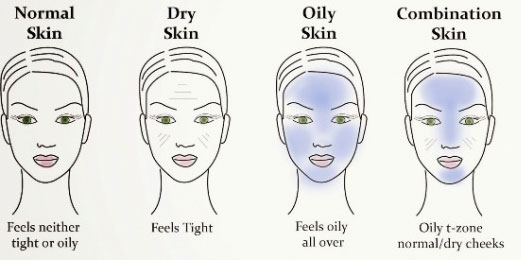
skin-1
Image from Skin Care Central

If you have: Normal Skin

God bless your soul, you’re the centre of everyone’s envy. Having normal skin means you have well-balanced skin caused by either genetics or great care. You would feel neither too oily or too dry, it’s just right. Your pores are usually invisible and you rarely suffer from flakiness or an oily t-zone. You rarely get breakouts, with an exception of a few spread across the year – nothing uniformed. Most products also don’t bother your skin, with minimal irritations or product reaction. Basically you’ve been blessed by skin Gods.

If you have: Dry Skin

Having dry skin might seem God-sent to those on the oilier end, but it’s really not all rainbows and butterflies. Although you might not experience acne breakouts as often, you’d regularly suffer from flaky and irritated skin. Your skin feels tight, especially after your cleansing routine, and you feel uncomfortable whenever you’re in an enclosed, air-conditioned environment. Some factors that cause dry skin include genetics, climate, hormonal changes or even diet. The next time you think of going on a fat-free diet, remember that the deficiency of Essential Fatty Acids (EFA) can cause serious dryness caused by the imbalance in your prostaglandins.

If you have: Combination Skin

What’s up, fam? We’re on the same boat. Combination Skin is a mix of having both an oily and a dry face. How fun. The reason? Your sebaceous glands (microscopic glands that are in-charge of excreting sebum) are not the best of friends and want to do their own things, so one excretes more and the other stays shy & quiet. The areas that are often oilier is around the t-zone (your forehead, down your nose bridge to your chin, making a T shape across your face), and drier around your cheeks. Oh, and your pores are probably the size of Texas, which makes acne production ideal.

If you have: Oily Skin

Our sisters in battle, we feel you. Oily skin is similar to having combination skin, but even your cheek area feels like an oil slick. Pores on those with oily skin are enlarged and very visible, which are favourable conditions for breakout galore. Unlike the combination skin gang, your sebaceous glands are workaholic best friends. There are some factors that causes a shift to oilier skin, and a big one is stress. When one feels stressed, the body produces cortisol (stress hormones) and this can be seen not only on your face, but on your body & hair as well. Feeling stressed messes with the skin’s natural barrier functions, which eventually leads to water loss. The skin’s instinctive respond to that would be to produce more sebum to compensate the loss in moisture.  Though it’s inevitable to feel a bit stressed out once in a while, it’s good to identify unnecessary stress & take measures to rid them off your life. Like stop doing your assignments a day before it’s due. Hah. 

So there you have it, the 4 main skin types that you might identify with. Of course, there are more than just these four types because human beings are such complex species, but I’ll save you the confusion for another day.

I’ll have to say it again, it’s really important to know which one you are in order for skincare to maximise its benefits. If you are still confused with which category you fall in, I’d recommend going to any skincare company counter and having it properly diagnosed (Kiehl’s & Dr. Murad do free, but very thorough, consultations for these). If you’re still skeptical, then you can go to a dermatologist to figure that out – Warning: They’re pricey for even just a consultation.

Video by Wishtrend TV